Hipobuy Spreadsheet catalogue sorted by how items pack
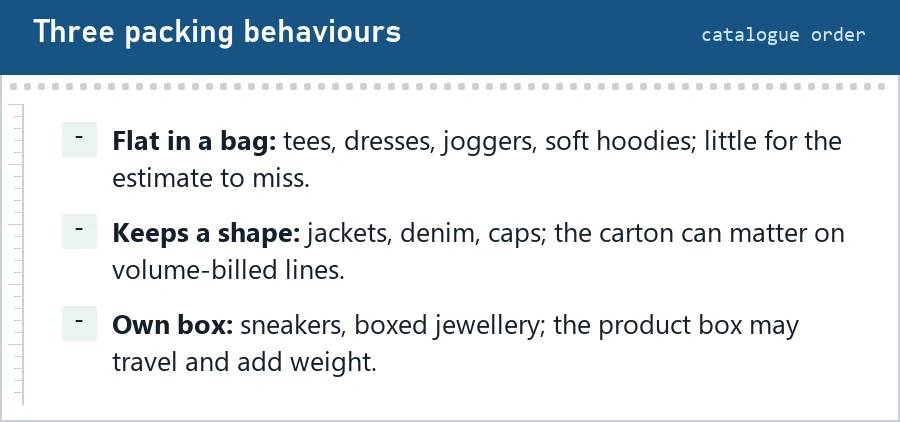
Sixteen illustrated aisles of product listings you can buy through Hipobuy, grouped by what they do on the warehouse scale rather than by fashion category.
Aisles that pack flat in a bag
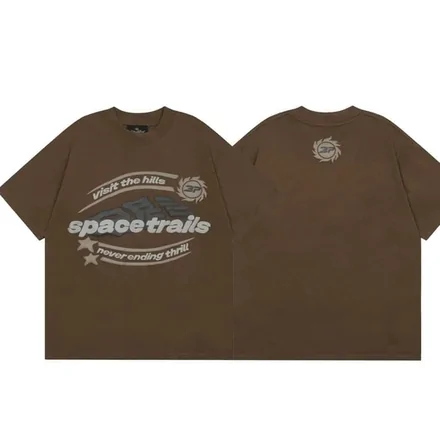
Tees, dresses, joggers and soft hoodies arrive from sellers in thin mailer bags. Hipobuy's inspection rule says the warehouse removes the original express packaging and reseals items in its own bags, so what reaches the scale is close to the garment itself. Packing may be straightforward, but garment weight and retained packaging still vary. A category label alone cannot bound the estimate error.
The exception is volume. A heavyweight hoodie folded into a bag is soft and light, but six of them in one carton make a box that a volume-billed line may charge above its scale weight. If your flat-pack parcel is large rather than heavy, convert possible box-size changes into billable grams using the chosen line’s volumetric divisor, then compare with actual weight. The calculator accepts billing weight in grams, not dimensions in centimetres.

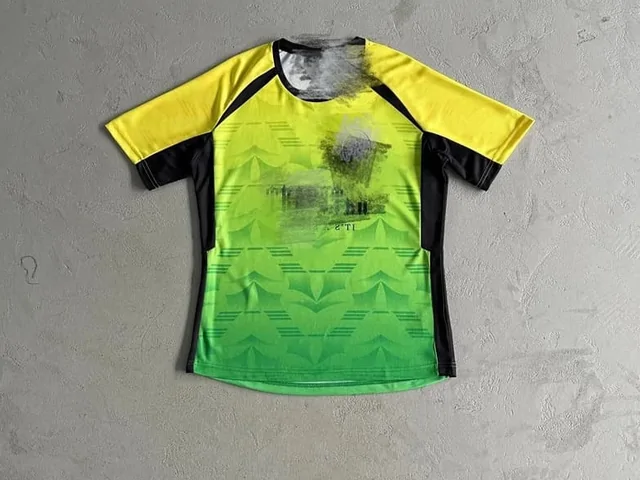
Aisles that keep their shape
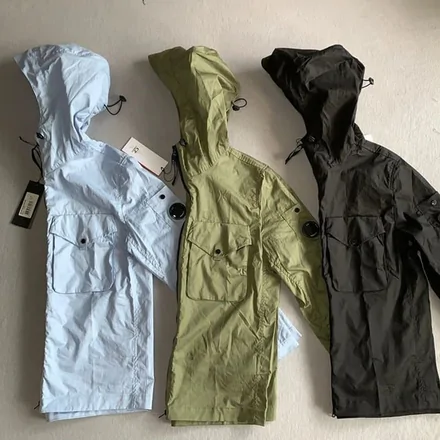
Shell jackets fold but take volume, denim is dense for its size, and caps keep a crown that resists squashing. On lines that charge by volume, the packed box can matter as much as the scale, so these are the middle cases: usually close to the estimate, occasionally a step heavier once the warehouse picks a carton.
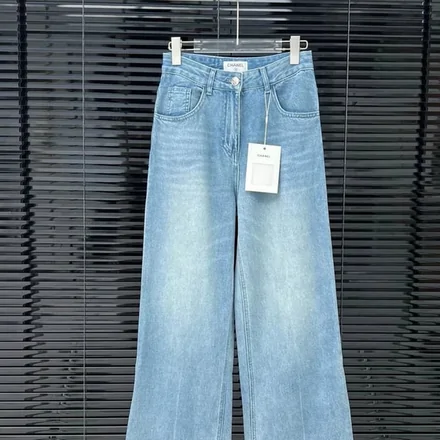
Caps are the clearest example. A single cap weighs little, but its crown keeps a box from closing flat, and a stack of caps travels best in a carton of its own. Jeans go the other way: compact, dense, and easy to estimate from the inbound figure.

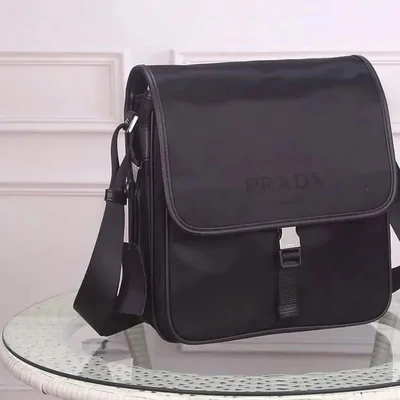
Aisles that often arrive in their own box
Sneakers come in shoeboxes and small jewellery often in gift boxes. Whether a product box travels with the item is decided at the warehouse; Hipobuy's rule keeps original boxes for fragile goods and goods whose express box serves as their packaging, and leaves the details to actual operation. A shoebox can weigh a meaningful share of the pair inside it, which is why boxed items are the usual reason an estimate misses.
 SneakersShoebox weight counts
 JewelleryTiny item, gift box
 EyewearConfirm frame width, lenses and included case.
 PerfumeConfirm liquid acceptance before paying.
 WatchesCheck case size, movement and battery restrictions.
 ElectronicsConfirm model, voltage, battery and route acceptance.
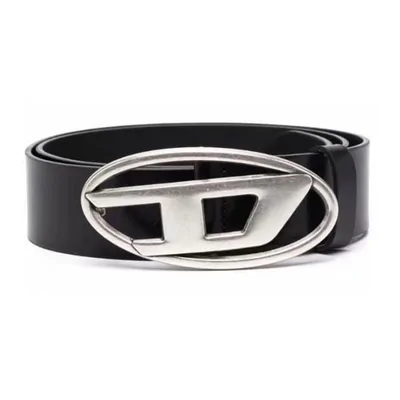
Related category checks: Team shirts Bags and totes Belts Eyewear Fragrance Watches Gadgets
What a listing tells you about weight, and what it does not
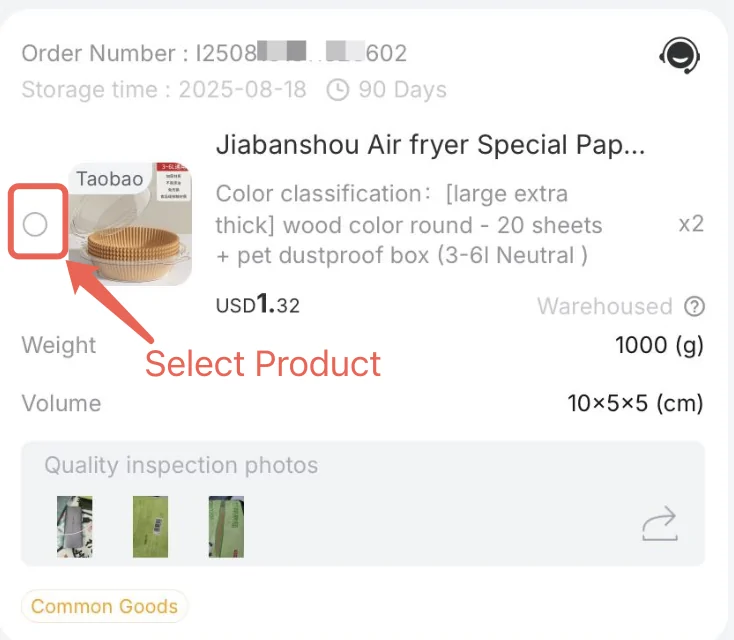
The catalogue shows pictures, prices and the shop. It does not show what the item will weigh in Hipobuy's warehouse. That figure appears only after the item arrives: the warehouse page shows every order with its gram weight and its size in centimetres, as in Hipobuy's own screenshot here, where two packs of air-fryer paper are logged at 1,000 g and 10 x 5 x 5 cm.
Those inbound figures are what the parcel estimate is built from. They include whatever packaging the item arrived in, before the warehouse decides what to strip and what to keep. Read them before you decide on a rehearsal: an item that came in at twice its expected weight is usually wearing a box.
Some listings state a shipping weight. Treat it as the seller's figure for the seller's parcel, not as a prediction of Hipobuy's scale.
A product weight is only one input
Open the seller listing and check whether a quoted weight describes the bare item, its retail box or a packed shipment. If that is unclear, retain it as an estimate instead of treating it as measured freight weight. Record the selected size, material and quantity as well: a different variant can change both the purchase price and the eventual parcel.
Use the Spreadsheet to shortlist goods and Hipobuy to manage the purchase. The first payment concerns the goods and relevant domestic charges. The international charge comes after warehouse and packing decisions. That separation is why a catalogue price cannot predict the whole spend, and why a weight-based tool needs the correct stage’s measurements rather than whichever number appears first.
Why this catalogue is ordered by packing
Most catalogues group items by fashion category. This one regroups the same categories by packing behaviour because the decision this site helps with, whether to pay for a rehearsal, depends on how much an estimate can miss, and that depends on the packaging more than on the style. The picture cards are the categories where clean, unbranded-looking pictures were available for this site on 16 October 2026; the text aisles open the same catalogue for team shirts, bags, belts, eyewear, fragrance, watches and gadgets.
Two cautions. Item types with batteries or liquids are carried by fewer lines, which changes which step sizes are on offer. And Hipobuy's own terms forbid buying non-authentic products; the catalogue is a starting point for browsing, and checking the listing and the seller is still your job (see buying checks).